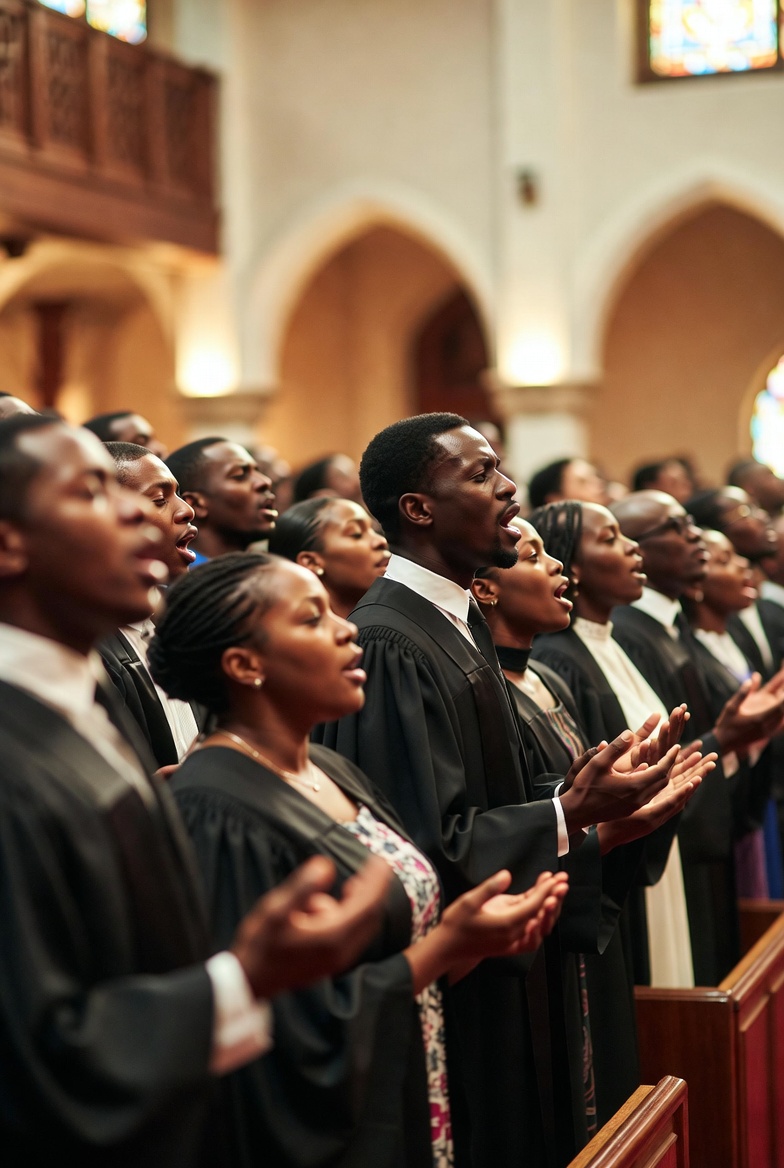
What Is Collective Flow?
Flow state, a concept pioneered by psychologist Mihaly Csikszentmihalyi, is that rare moment when you're completely absorbed in an activity. Time disappears. Self-consciousness vanishes. You perform at your peak without strain. In choral singing, this phenomenon becomes exponentially more powerful when experienced together-when 20, 50, or 100 voices move as one conscious entity.
Collective flow in a choir is more than synchronized singing. It's a shared state of presence where each member trusts their preparation so deeply that their focus shifts from individual mechanics to the music itself. The result? Performances that feel alive, responsive, and transcendent.
The Conditions That Enable Flow
1. Clear Goals and Immediate Feedback
Singers need to know exactly what success looks like. Rather than vague direction like "sing it better," establish specific targets: "Match the soprano's vibrato speed in measures 14–16" or "Shape the phrase so it crests at beat three." During rehearsal, provide instant feedback-a thumbs up, a nod, or verbal confirmation-so singers know they're on track.
2. Balance Challenge and Skill
Flow happens in the sweet spot between boredom and anxiety. If the piece is too easy, singers mentally check out. Too difficult, and they freeze in self-doubt. Choose repertoire that stretches your ensemble's abilities without overwhelming them. A challenging piece that the choir has rehearsed thoroughly creates the perfect recipe for flow.
3. Deep Preparation
You cannot achieve flow while worrying about getting the notes right. Flow emerges only when preparation is so thorough that technique becomes automatic. This means:
Learning music well before focusing on expression
Drilling tricky passages until they're muscle memory
Singing difficult sections enough that they feel safe
When a singer's preparation is solid, their conscious mind is free to connect with the emotional and spiritual dimensions of the music.
4. Eliminate Distractions
Flow requires unbroken attention. Minimize unnecessary noise in rehearsal. Seat singers consistently so they don't waste mental energy finding their spot. Use clear conducting patterns so singers aren't guessing about tempo or entries. On performance day, ensure good lighting, comfortable acoustic conditions, and minimal stage confusion.
How Conductors Foster Collective Flow
As a director, you set the conditions for flow through intentional choices:
Model presence yourself. If you're distracted or anxious, your choir will be too. Step to the podium with calm focus and genuine curiosity about the music.
Create psychological safety. Singers can only relax into flow when they feel accepted. Praise effort and improvement, never shame or harsh criticism.
Rehearse the performance. Run full songs without stopping. Practice walking on stage, managing nervousness, and recovering from mistakes. This builds the neural pathways singers need for flow under pressure.
Conduct with intention. Use conducting gestures that inspire rather than control. Your baton should invite singers into the music, not police them.
What Individual Singers Can Do
Flow isn't only the director's responsibility. Each choir member contributes:
Prepare thoroughly. Know your part inside and out. When you're confident, you can trust the ensemble.
Listen outward. Rather than focusing on your own sound, attune yourself to the blend around you. This interdependence creates unity.
Release perfectionism. Paradoxically, trying too hard to be perfect blocks flow. Trust your preparation and allow the music to happen.
Commit emotionally. Flow requires genuine engagement. Connect with the text, the composer's intent, and your fellow singers. Sing as if it matters-because it does.
Recognizing Flow When It Happens
When a choir achieves collective flow, you'll notice:
Everyone finishes the piece with visible energy rather than exhaustion
Singers report losing track of time
The audience feels the difference-they're moved, not just entertained
The choir sounds unified without sounding robotic
Singers make subtle adjustments naturally, without being conducted
The Practice Paradox
Here's the beautiful truth: you cannot force flow, but you can create the conditions where it naturally emerges. Flow is the reward for excellent preparation, clear intention, and psychological safety. It's the moment when all your rehearsal work becomes invisible, and only the music remains.
After rehearsals where your choir achieved flow, ask singers: "What felt different?" Help them recognize and remember those moments. Each recognition deepens their understanding of what's possible and increases the likelihood of returning there.
Collective flow in choral singing is why we do this work. It's sacred, transformative, and absolutely achievable with intention and care.